
Author: potteringclasses
-
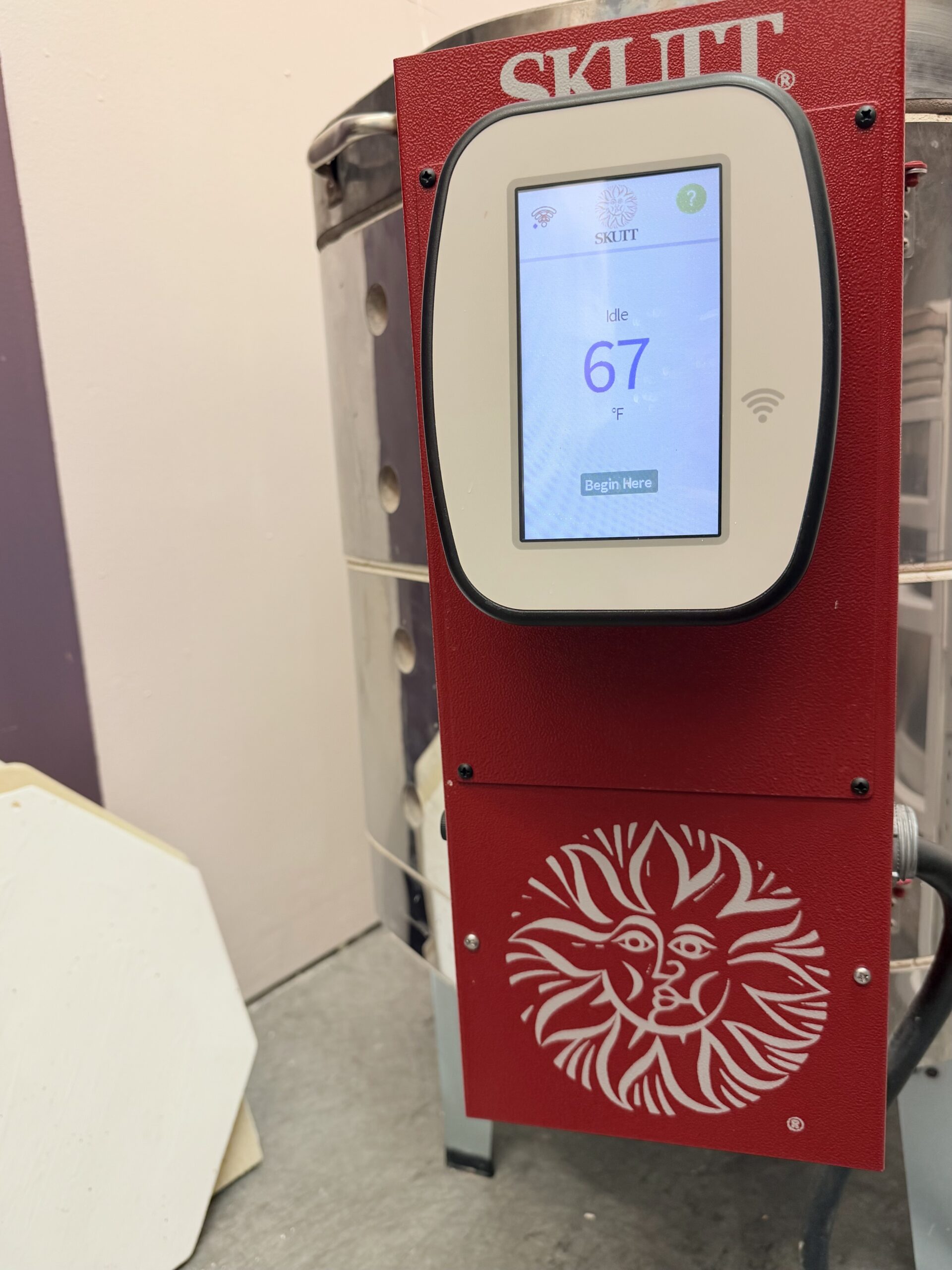
What Happens When You Fire Clay? A Complete Beginner’s Guide to Kiln Temperatures and Ceramic Transformation
•
Ever wondered what really happens to clay inside the kiln? From the moment your piece reaches 212°F to the intense heat of vitrification above 2200°F, clay undergoes powerful physical and chemical changes that permanently transform it from soft earth into durable ceramic. In this beginner-friendly guide, we break down kiln…
-
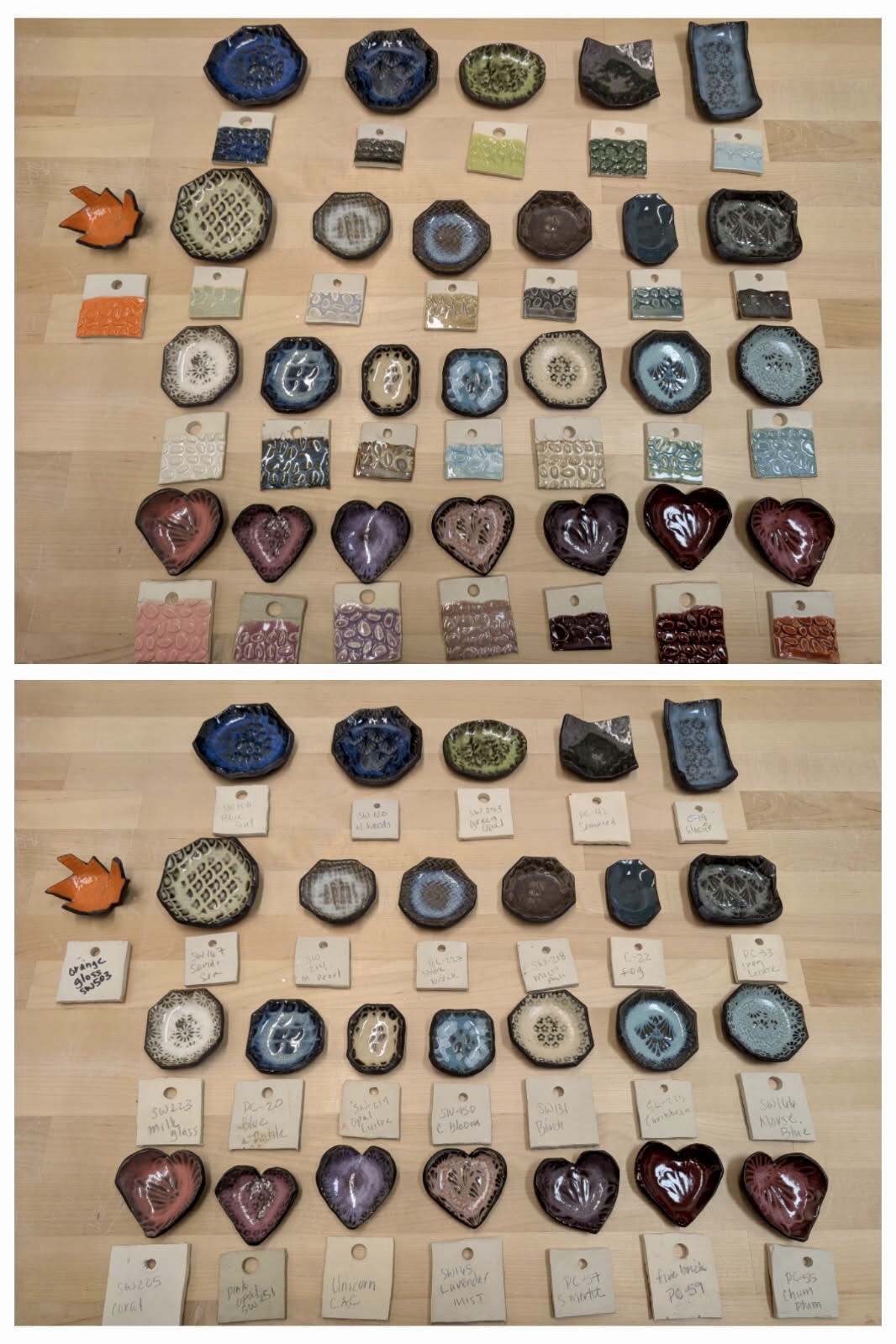
The Ultimate Pottery Guide to Successful Glazing on Dark Clay Bodies
•
Glazing on dark clay can feel unpredictable at first, but it opens the door to some of the richest, most beautiful surfaces in pottery. Unlike white clay, dark bodies deepen colors, highlight texture, and create natural warmth in every piece. The key is choosing glazes that show up, applying them…
-
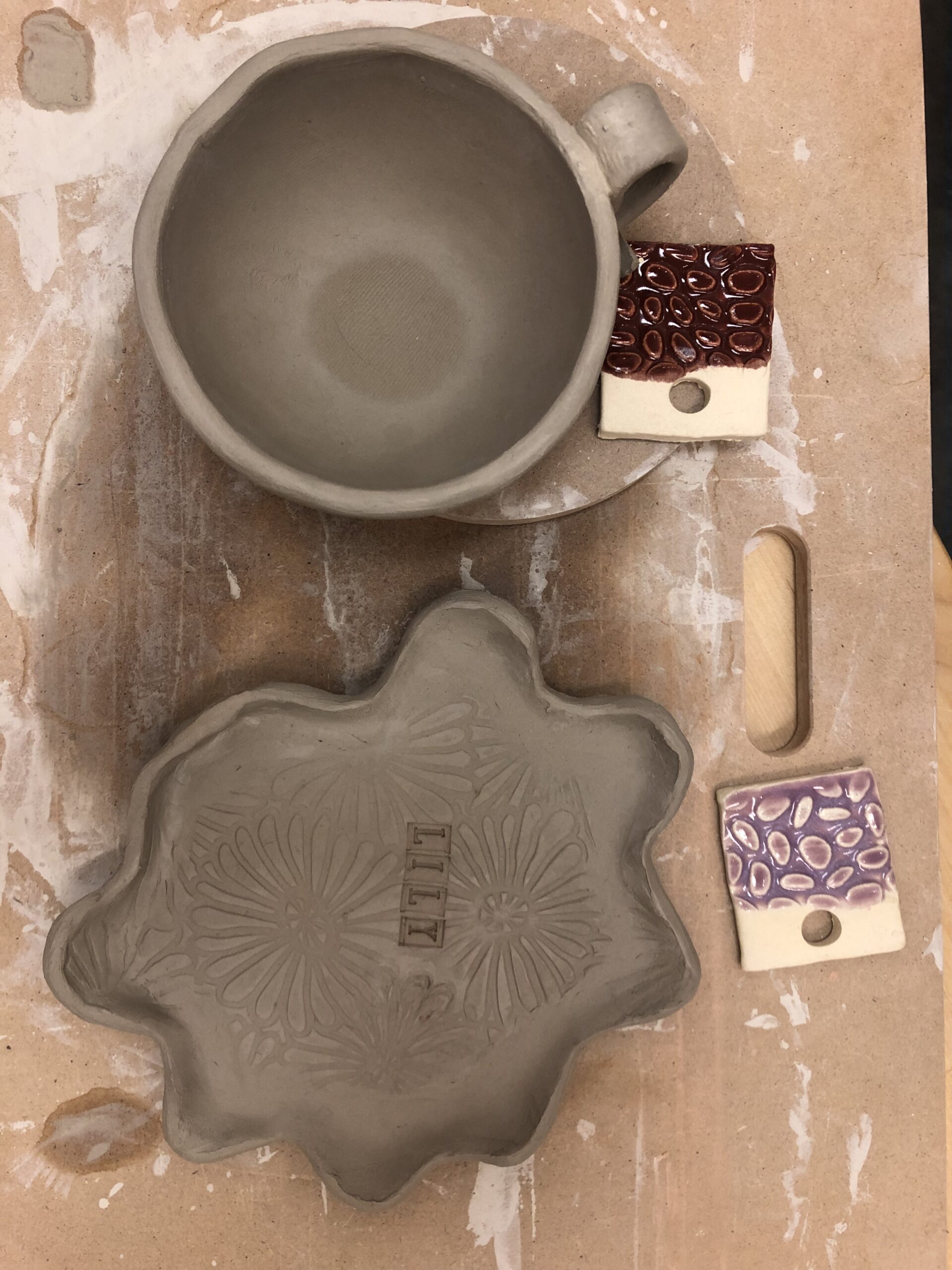
Why Your Pottery Cracks While Drying (and How to Prevent It)
•
Drying is one of the most overlooked steps in pottery, and it’s often where cracks and warping begin. For beginners, understanding how clay dries and learning how to slow the process can make the difference between a successful piece and one that never makes it to the kiln. This guide…
-
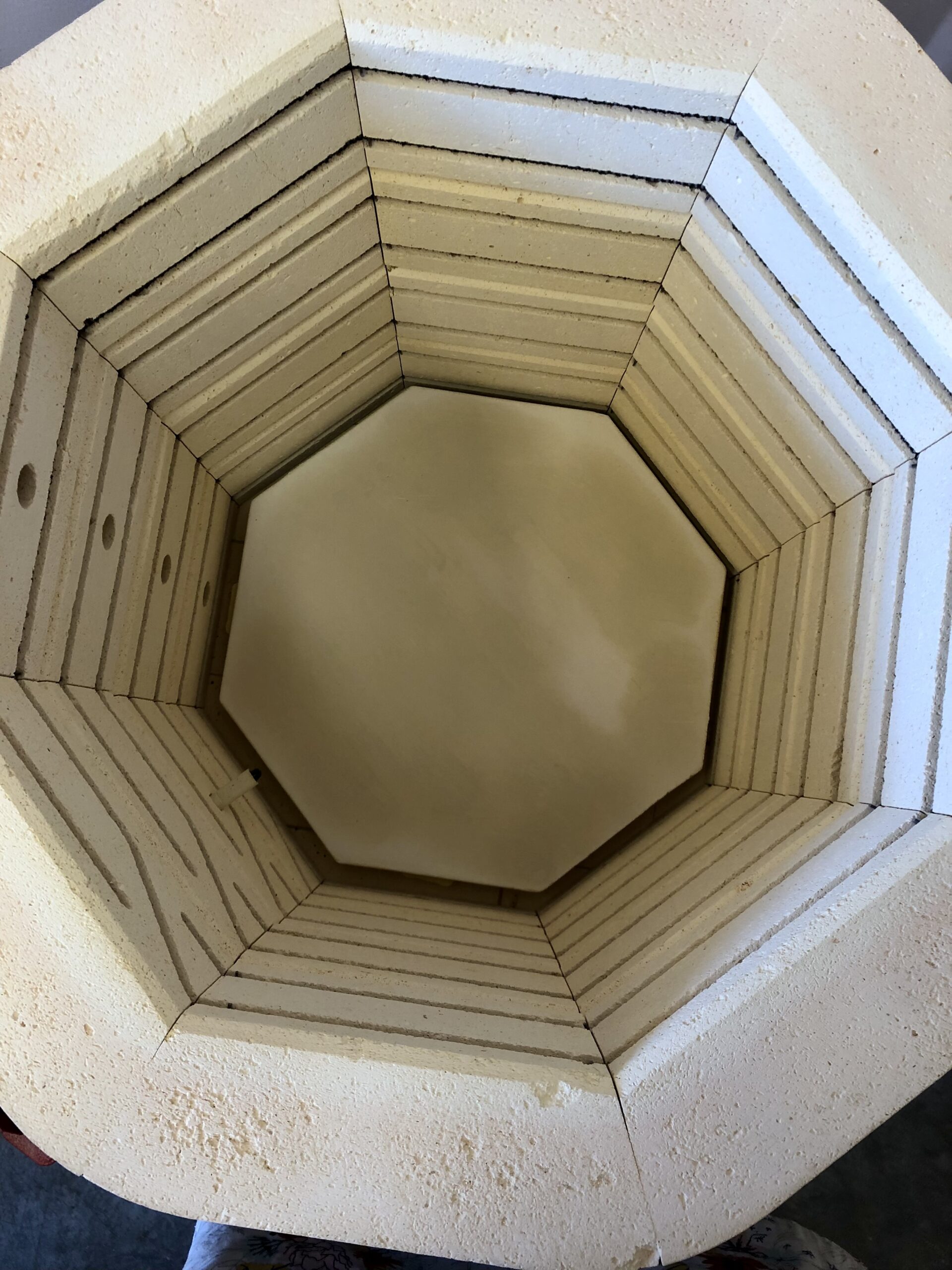
Bisque Firing Explained: What Happens to Pottery at Cone 04
•
When pottery is bisque fired, the kiln permanently transforms soft clay into ceramic. As the temperature rises, water and organic materials burn away and the clay undergoes an irreversible chemical change. By the time work is bisque fired to cone 04, it is no longer fragile clay but strong, porous…
-
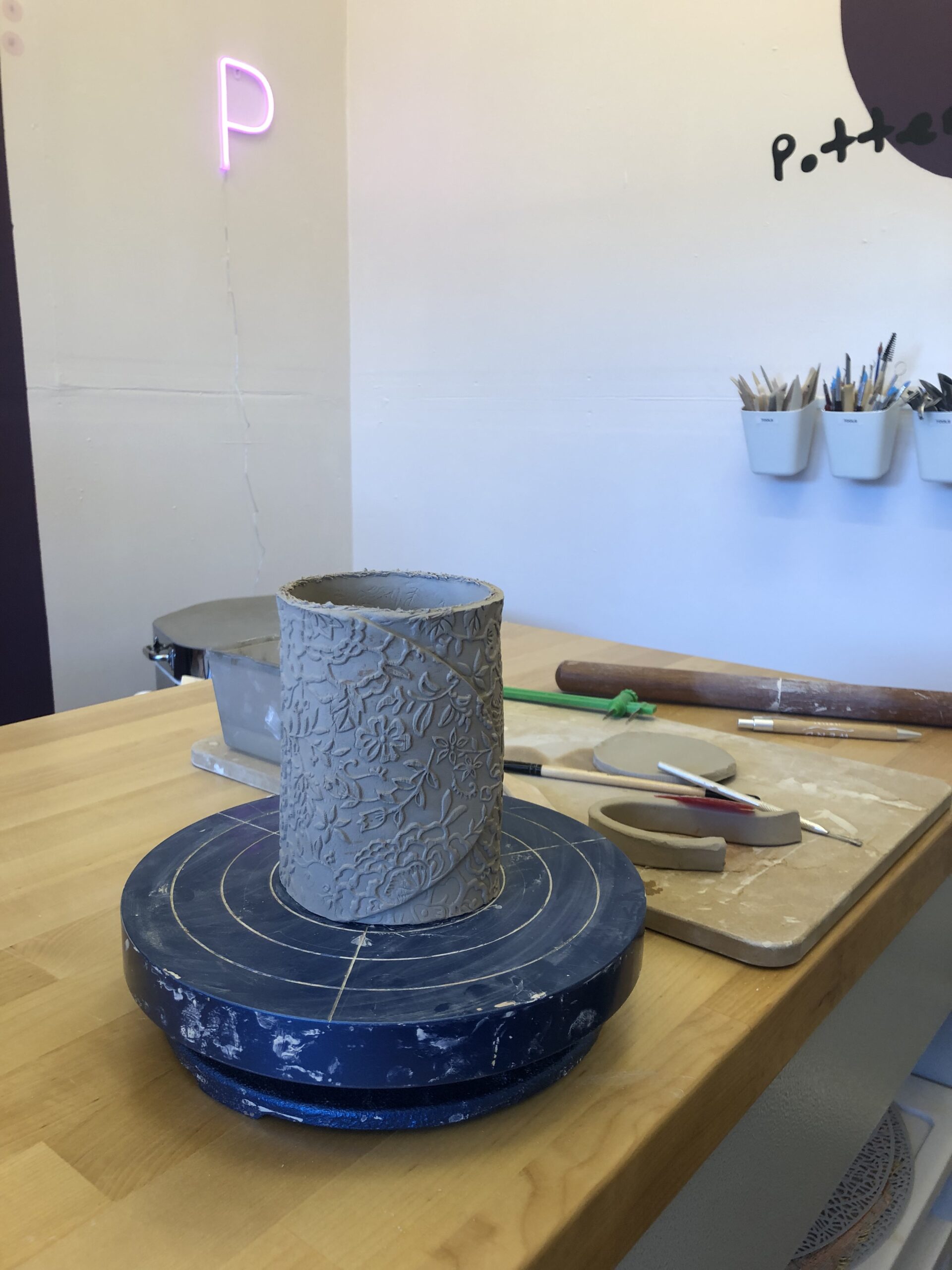
How to Cut an Even Rim: 10 Essential Pottery Trimming Tips
•
Cutting an even rim is one of the quickest ways to give your handbuilt pottery a clean, professional look. Beginners often struggle with wavy or uneven edges, but with the right tools, timing, and simple techniques, you can achieve smooth, consistent rims every time. Here are ten practical tips to…
-
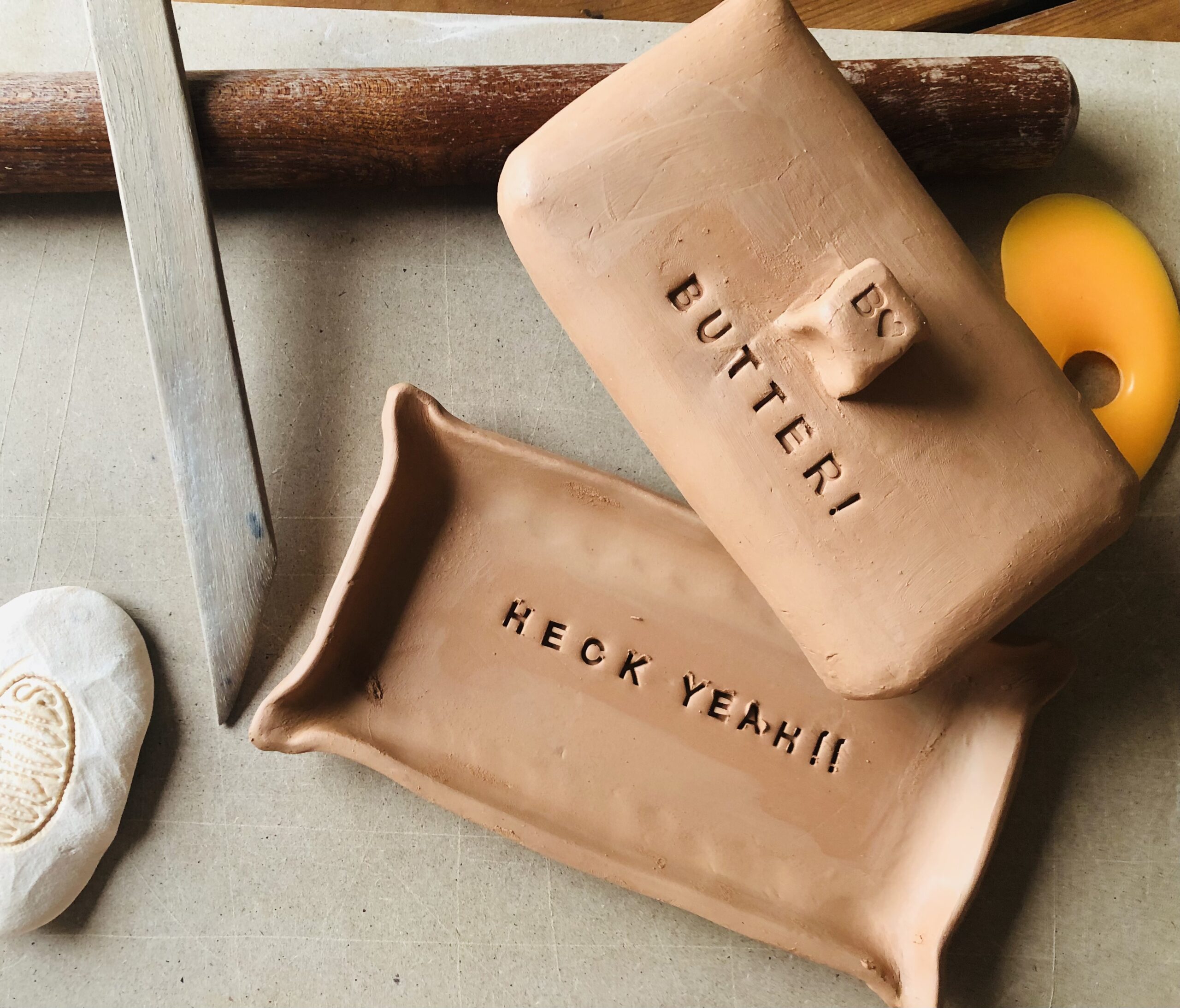
How to Apply Lettering to Clay: Techniques, Underglaze Tips, and Clear Glaze Success
•
Learn how to apply clean, crisp lettering to clay using stamping, carving, and underglaze techniques. Discover the best way to paint letters with underglaze, plus essential tips for choosing a clear glaze that won’t run. Perfect for beginners in our handbuilding workshops or Wednesday Open Studio at Potterings.
-
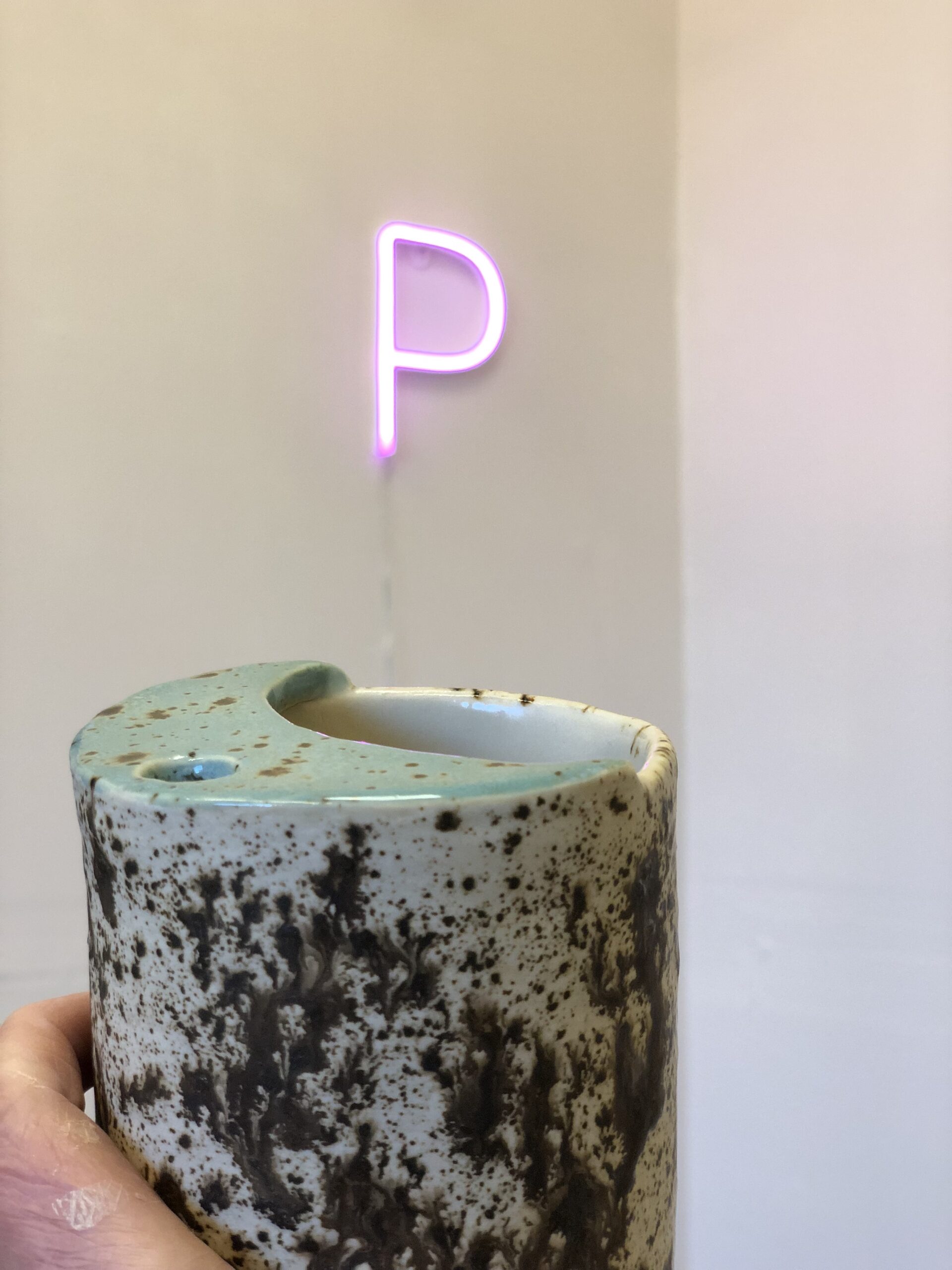
The Magic (and Science!) of Glaze in an Electric Kiln
•
Learn how raw glaze transforms into glossy glass at Cone 5, why oxidation firing creates vibrant colors, and the science behind glazes.
-
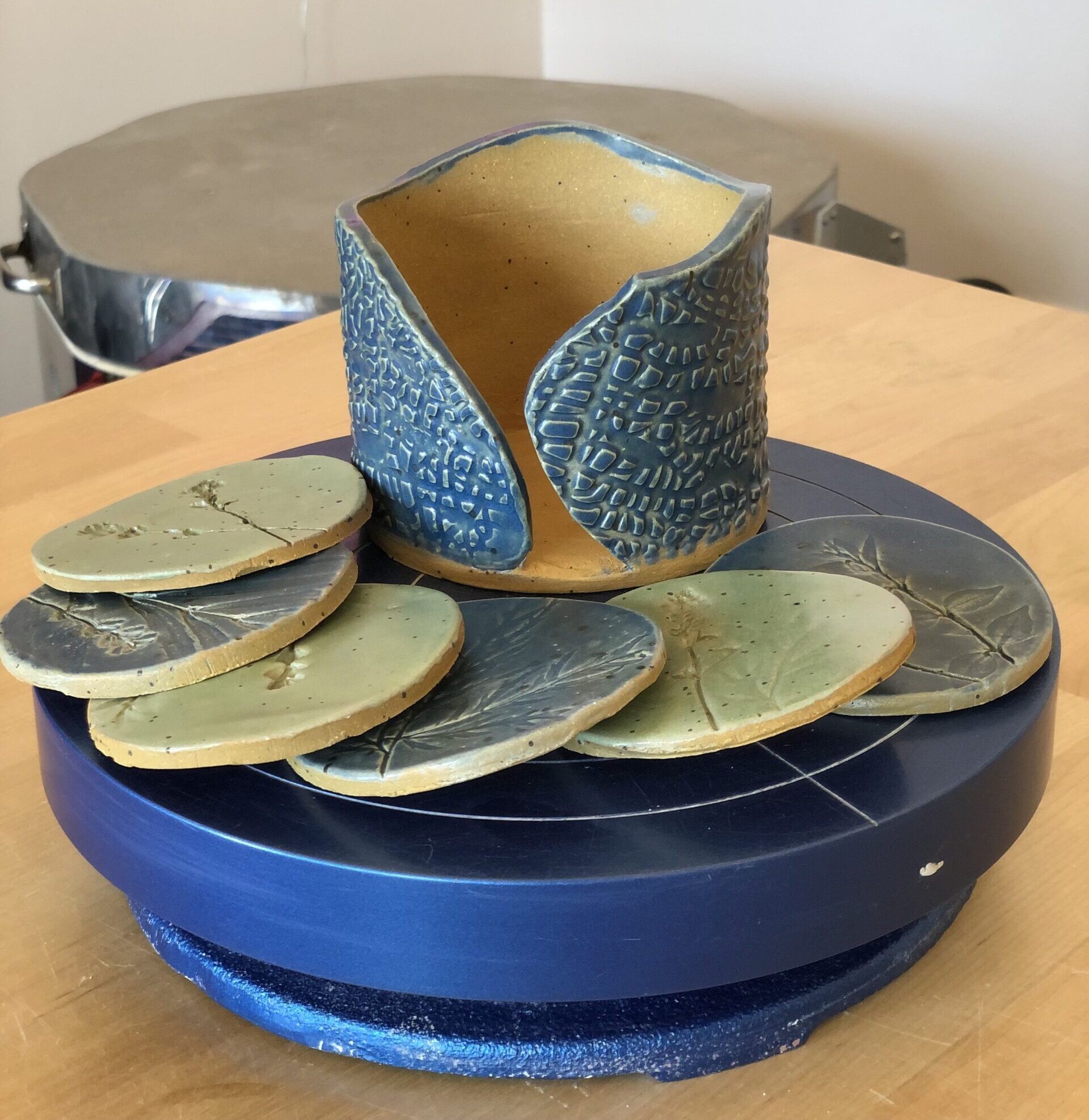
Terracotta, Stoneware, and Porcelain: Choosing the Right Clay
•
Each clay body—terracotta, stoneware, and porcelain—has its own personality, working style, and final look.
-

How to Make a Pottery Sponge Holder: A Beginner-Friendly Project
•
Learn how to make a pottery sponge holder with this easy beginner tutorial. A practical clay project that doubles as a thoughtful handmade gift.
