
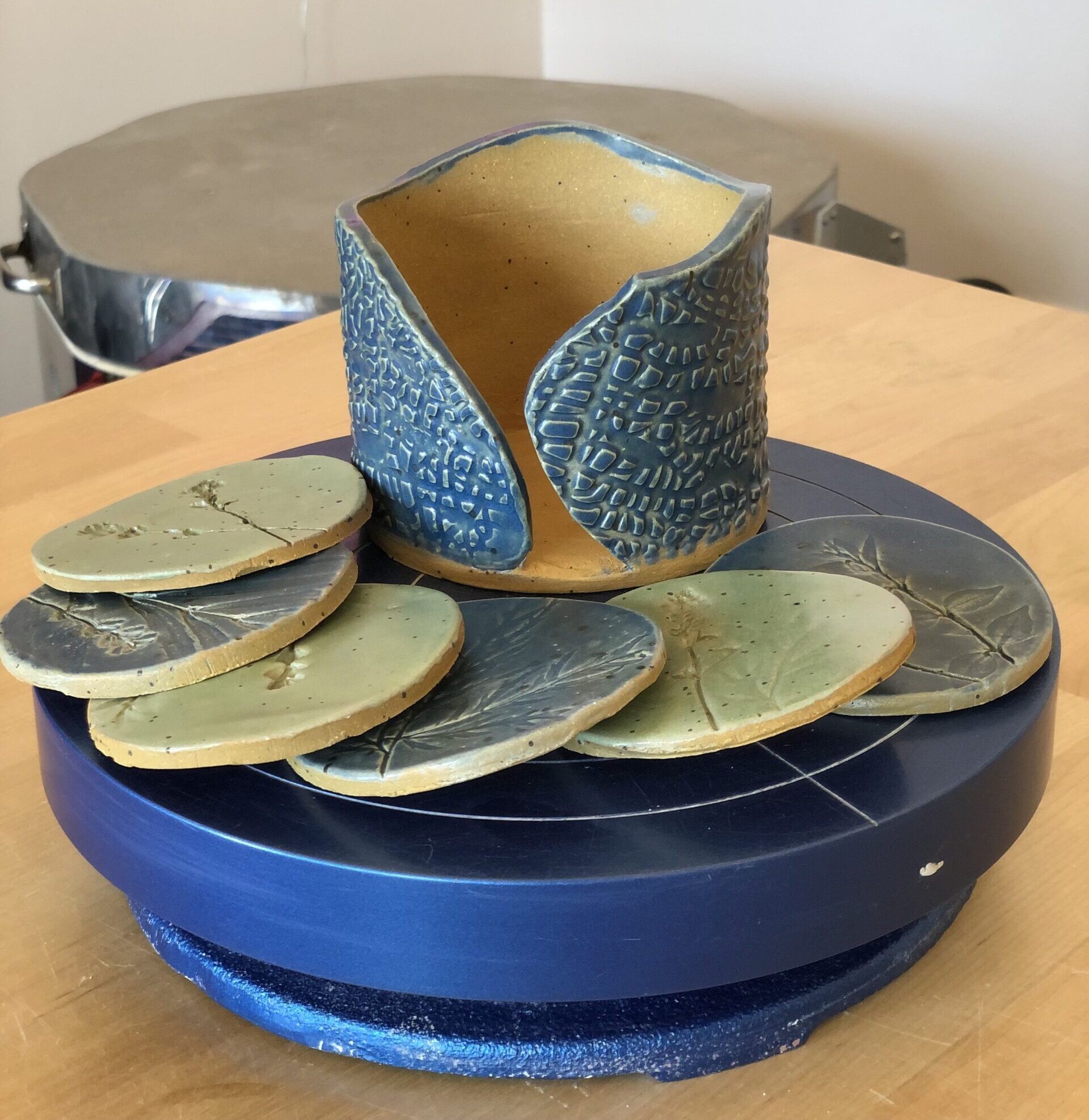
Stoneware Clay: The Best Choice for Beginner Potters
When you step into the world of pottery, one of the first choices you’ll encounter is which type of clay to use. Each clay body—terracotta, stoneware, and porcelain—has its own personality, working style, and final look. At Potterings, we work with stoneware clay, and for good reason. Let’s explore the differences between these clay types and why stoneware is the studio favorite.
Terracotta: The Earthy Classic
Terracotta is one of the oldest clay bodies used by humans. Its signature red-brown color comes from high iron content, which also makes it quite porous. Fired at lower temperatures (usually around 1,800–2,100°F / 980–1,150°C), terracotta is excellent for flower pots, roof tiles, and rustic dinnerware. However, because it isn’t fully vitrified (glass-like), it can absorb water unless sealed with glaze.
Best for: Sculptures, gardenware, decorative pottery
Stoneware: The Versatile Workhorse
Stoneware sits in the “middle ground” of clay bodies. Fired between 2,100–2,400°F (1,150–1,300°C), it matures into a dense, durable, and non-porous material that’s perfect for everyday use. It’s available in a range of colors—buff, speckled, gray, and white—and is forgiving for beginners while offering depth for advanced makers.
Best for: Functional ware like mugs, plates, bowls, and studio projects
Porcelain: The Refined Beauty
Porcelain is prized for its delicate, glassy white finish and translucence. It’s fired at the highest temperatures (up to 2,600°F / 1,425°C), which makes it extremely strong and impermeable when fully vitrified. However, porcelain is notoriously finicky; it can feel sticky, collapse easily, and requires practice to master.
Best for: Fine dinnerware, teaware, and artistic sculptural work
Why Potterings Uses Stoneware Clay
At Potterings, we’ve chosen stoneware because it strikes the perfect balance between durability, versatility, and approachability. Students can create everything from coffee mugs to serving bowls with confidence, knowing their pieces will be sturdy enough for everyday use while still looking beautiful.
3 Tips for Working with Stoneware Clay
- Mind Your Moisture Levels
Stoneware is plastic and forgiving, but too much water can make it harder to shape. Use slip sparingly and keep a sponge nearby to balance moisture. - Take Advantage of Its Strength
Because stoneware is less likely to slump than porcelain, you can build taller, sturdier hand-built forms. Try coils or slabs for larger vessels without worrying they’ll collapse mid-build. - Experiment with Glazes
Stoneware clays often have natural speckles or warm tones that interact beautifully with glazes. Test different finishes on small tiles—matte, glossy, or celadon—and notice how the clay body enhances the final effect.
Final Thoughts
Whether you’re drawn to terracotta’s earthy warmth, porcelain’s elegance, or stoneware’s versatility, the clay you choose shapes not only your piece but also your pottery journey. At Potterings, we love stoneware for its strength, beauty, and user-friendliness—qualities that make it the perfect clay body for beginners and experienced potters alike.
Ready to get your hands muddy and bring your own pottery to life? Join us at Potterings for a hands-on workshop where you’ll learn how to work with stoneware clay step by step. Whether you’re a complete beginner or looking to refine your skills, our instructors will guide you through building, shaping, and glazing your own functional pottery. Register today to reserve your spot and start your pottery journey with us.