
Tag: Potterings West Seattle
-
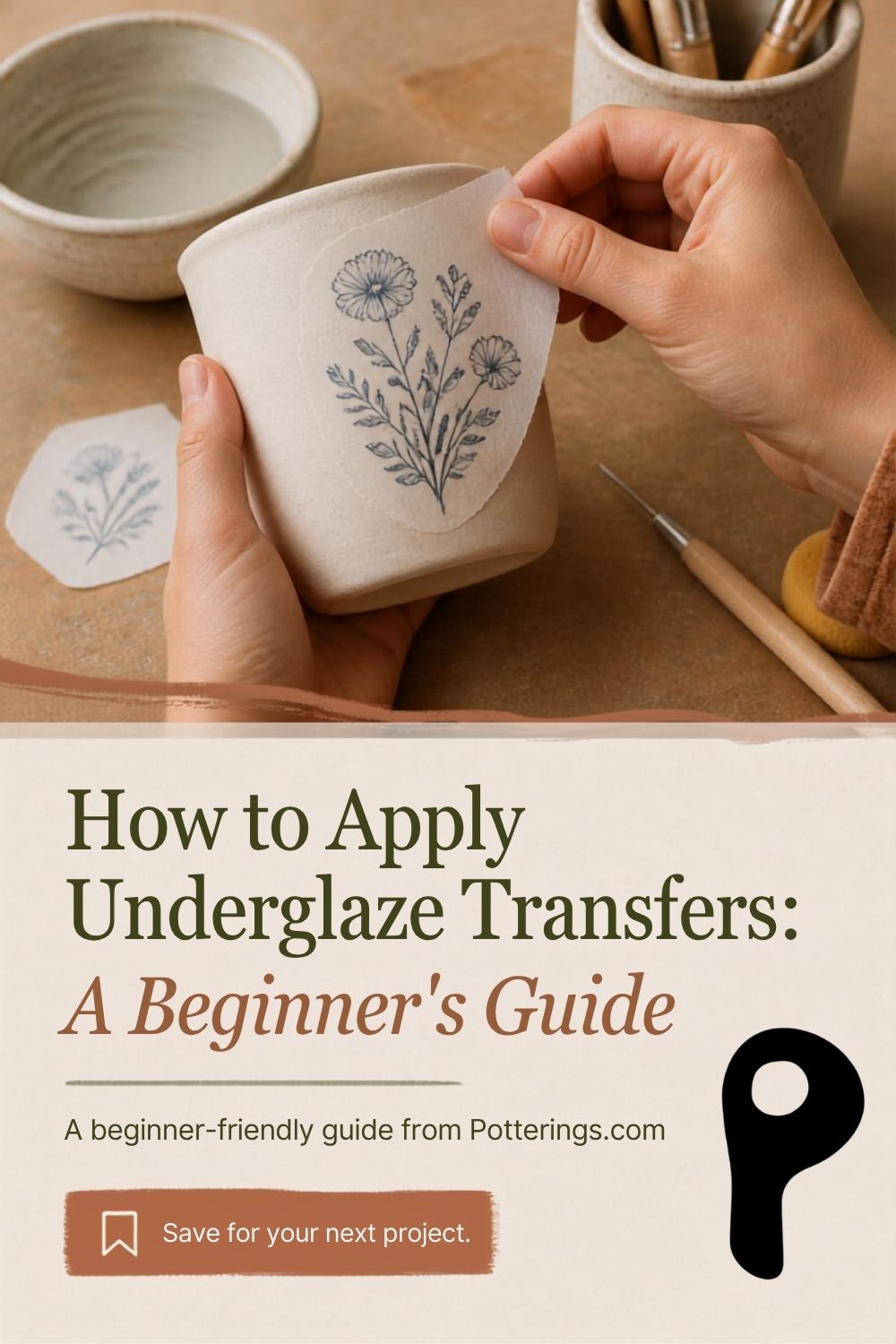
How to Apply Underglaze Transfers: A Beginner’s Guide
•
Want to add beautiful patterns to your pottery without painting every detail by hand? Underglaze transfers make it surprisingly easy. Learn how to choose, position and apply a transfer to your clay, plus a few beginner tips for getting a clean result you’ll love after firing.
-
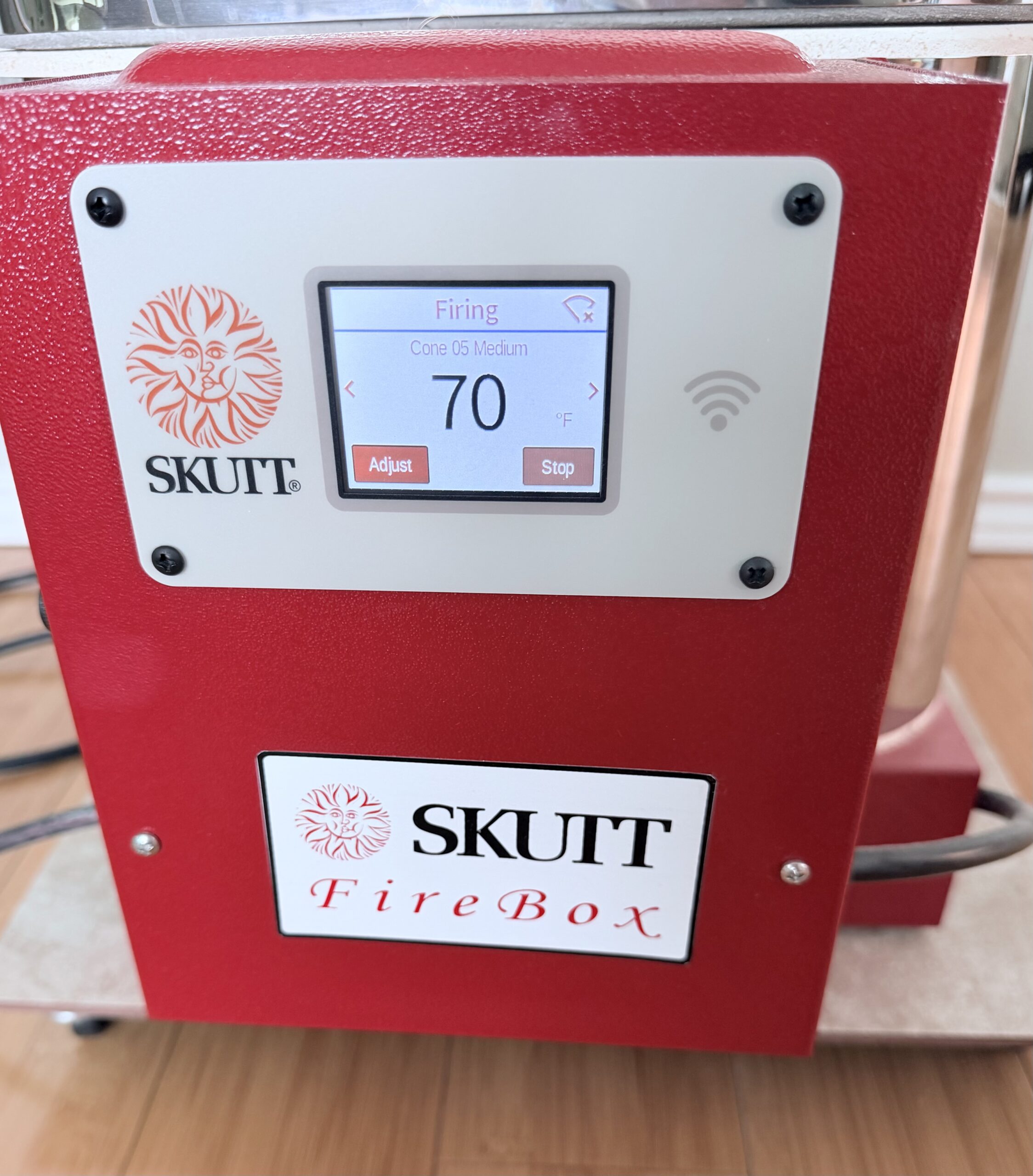
How to Fire Pottery at Home: Skutt Firebox Guide
•
Thinking about firing pottery at home? This beginner-friendly guide walks you through the Skutt Firebox 8×6, from setup and your first bisque firing to glaze firing and safety tips. Learn why this compact kiln has become a favorite among home potters and discover how to confidently fire your own handmade…
-
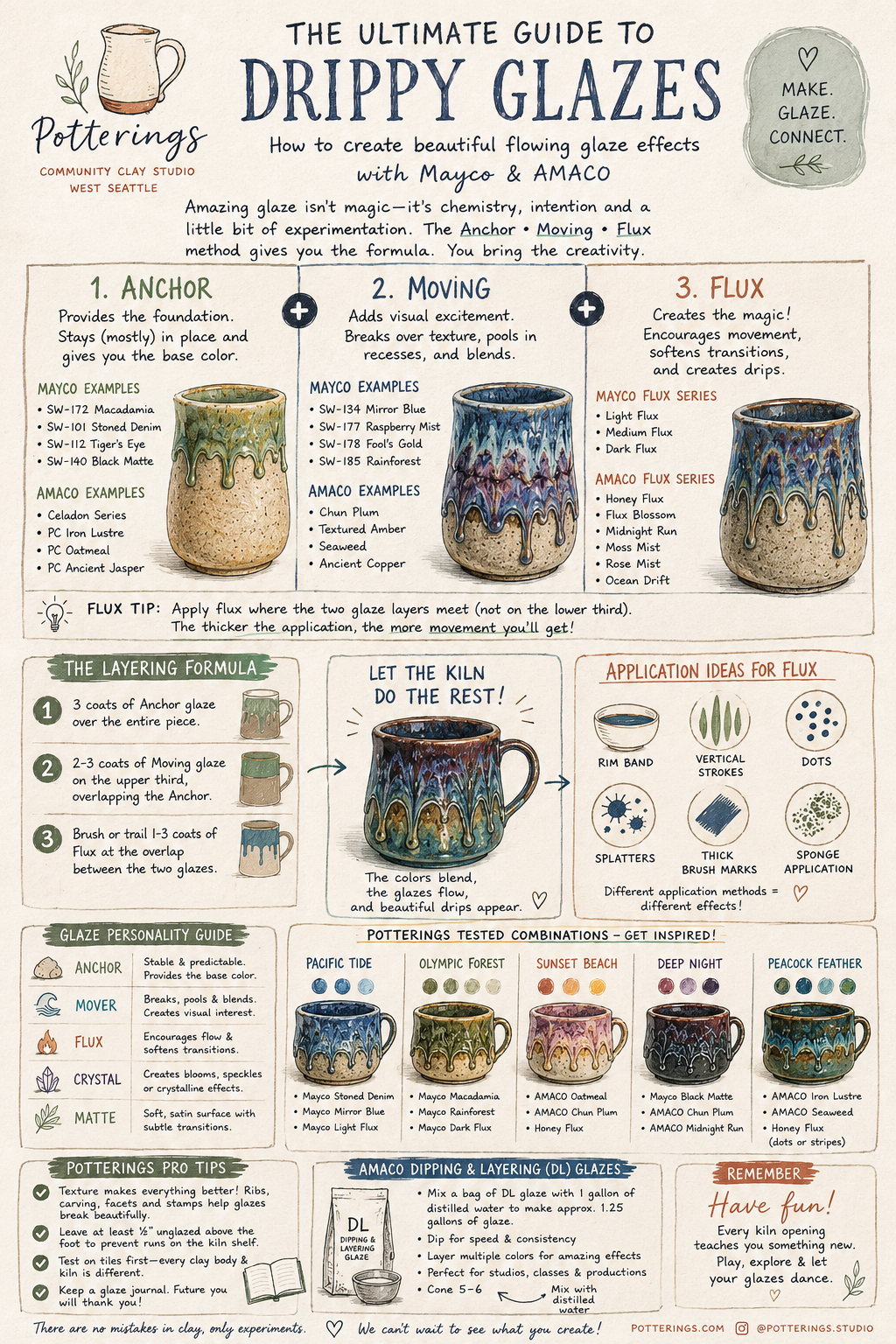
The Ultimate Guide to Drippy Glazes with Infographic
•
Learn how to layer Mayco and AMACO glazes to create beautiful drippy glaze effects. This beginner-friendly guide teaches simple pottery glazing techniques, glaze combinations, and the Anchor, Moving, and Flux method to help you glaze with confidence.
-
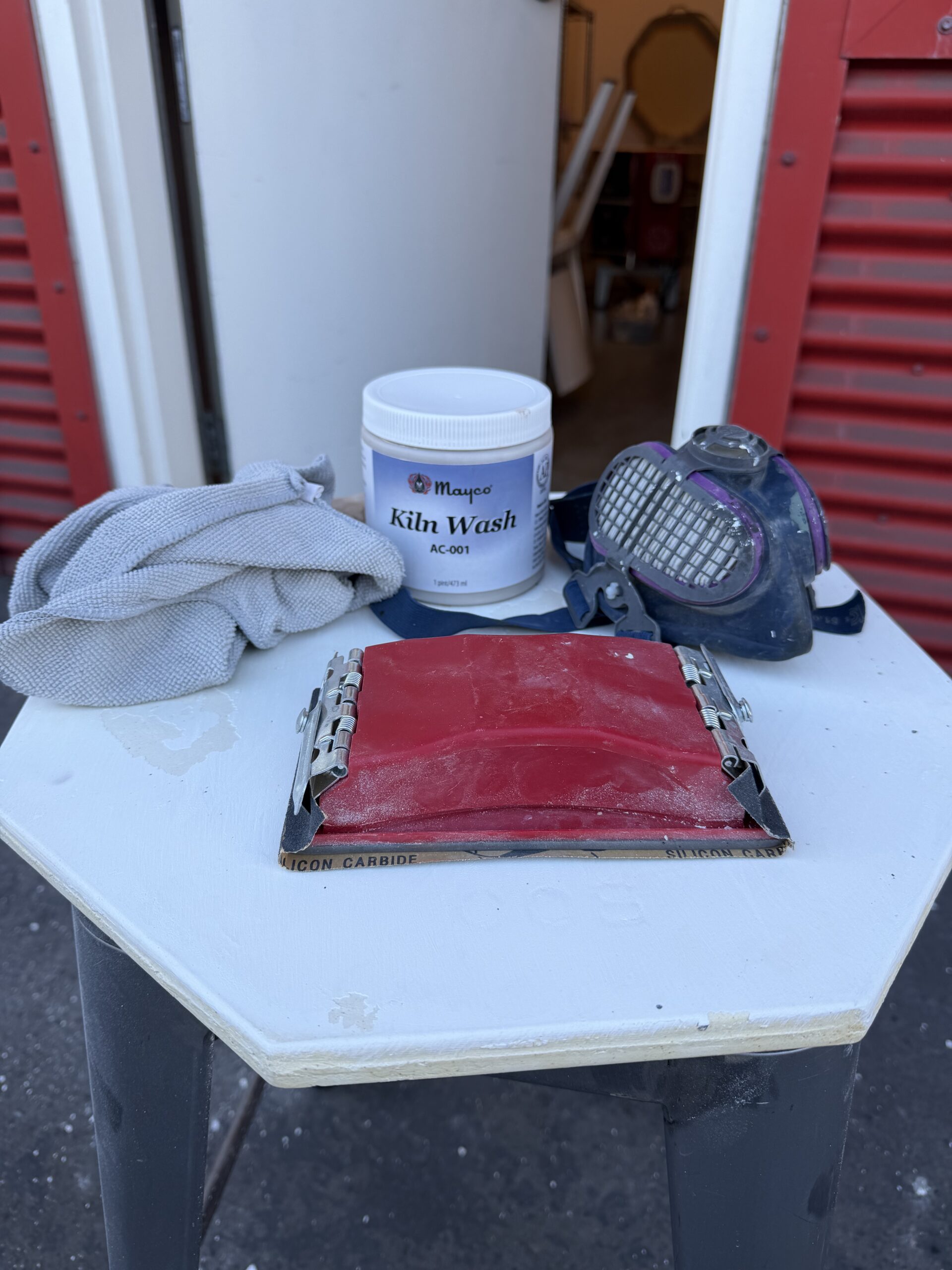
Why Potters Use Kiln Wash and How to Apply It Properly
•
Kiln wash is one of the most important and overlooked materials in a pottery studio. Learn why potters use kiln wash, what it’s made from, how to prepare kiln shelves, when to reapply it, and the safest way to scrape shelves clean after glaze drips.
-
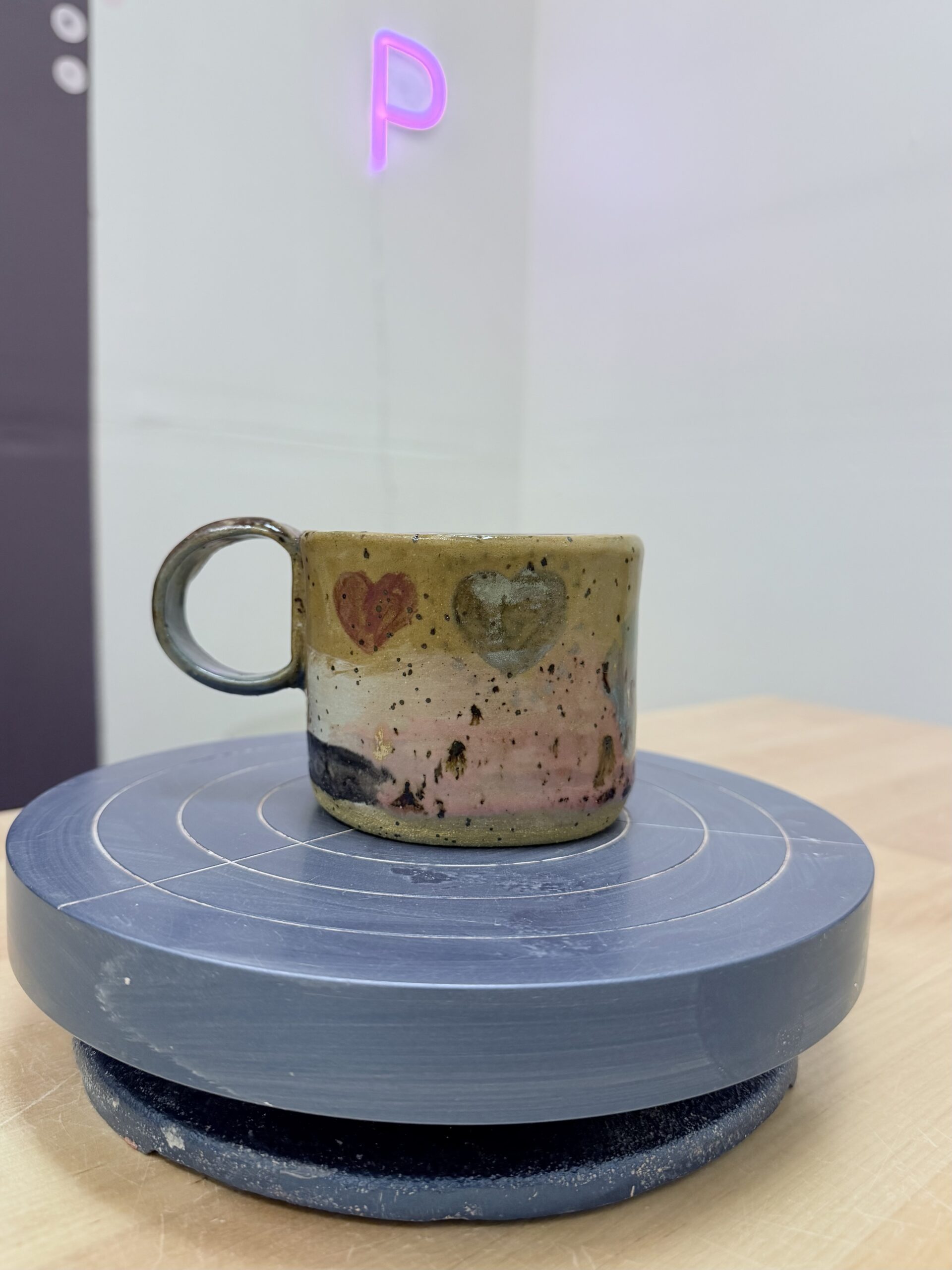
How to Fix Pinholes in Pottery Glaze: Sand, Reglaze and Refire for Smooth Results (Beginner Guide)
•
Pinholes in your glaze can feel like a setback, especially after a successful firing. The good news is that most surface pinholes are fixable. With a simple process of light sanding, careful cleaning, and a thin reglaze, many pieces can be restored to a smooth finish. In this beginner-friendly guide,…
-
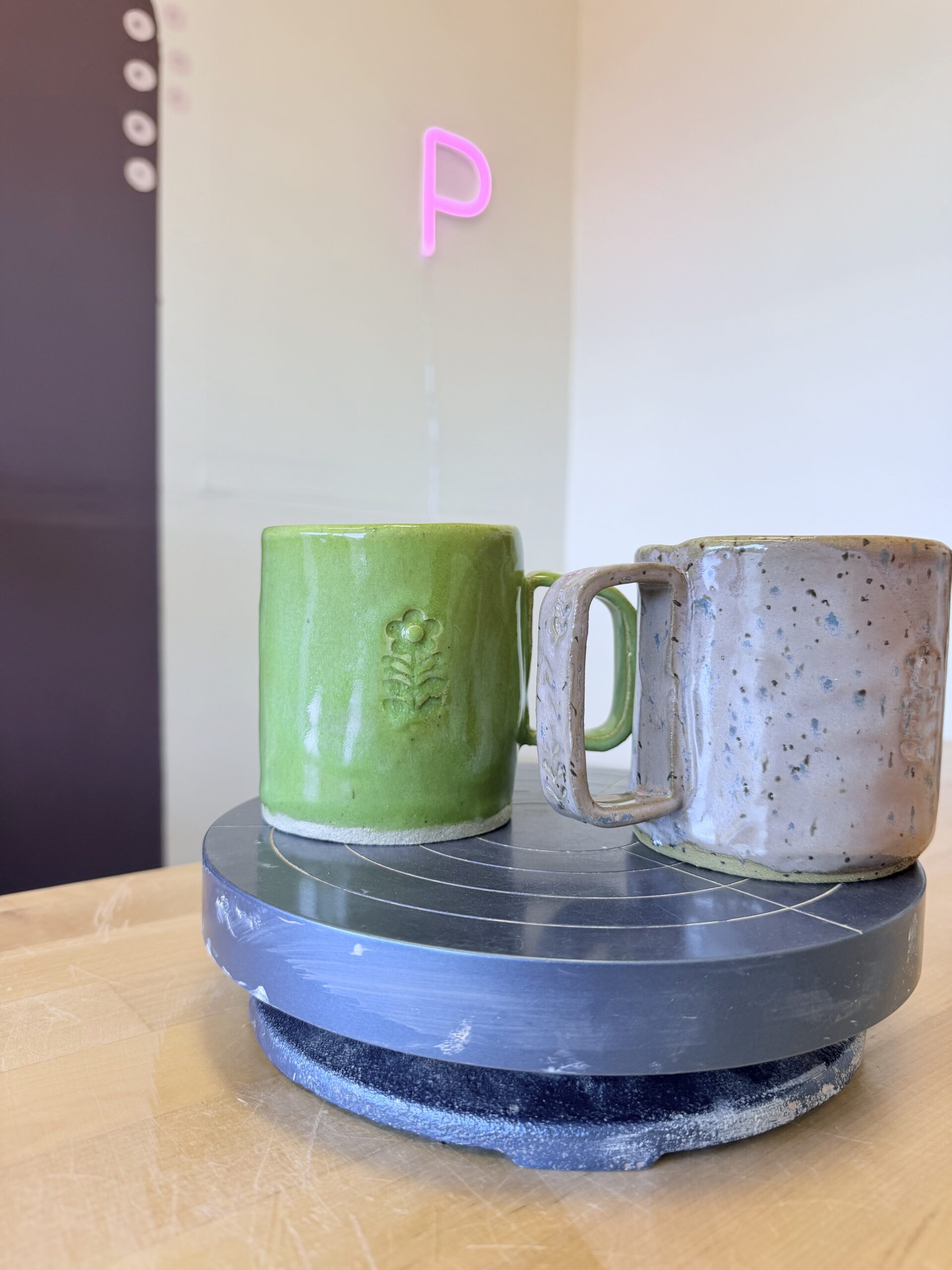
How to Make a Handmade Mug at Home You’ll Actually Use Every Day (+ Free 16 oz Mug Template PDF)
•
Learn how to make a handmade ceramic mug at home with this beginner-friendly step-by-step tutorial. This guide includes easy slab-building techniques, simple pottery definitions, glazing tips, and a FREE printable 16 oz mug template PDF you can start using today. Perfect for pottery beginners, hobby ceramic artists, and anyone who…
-
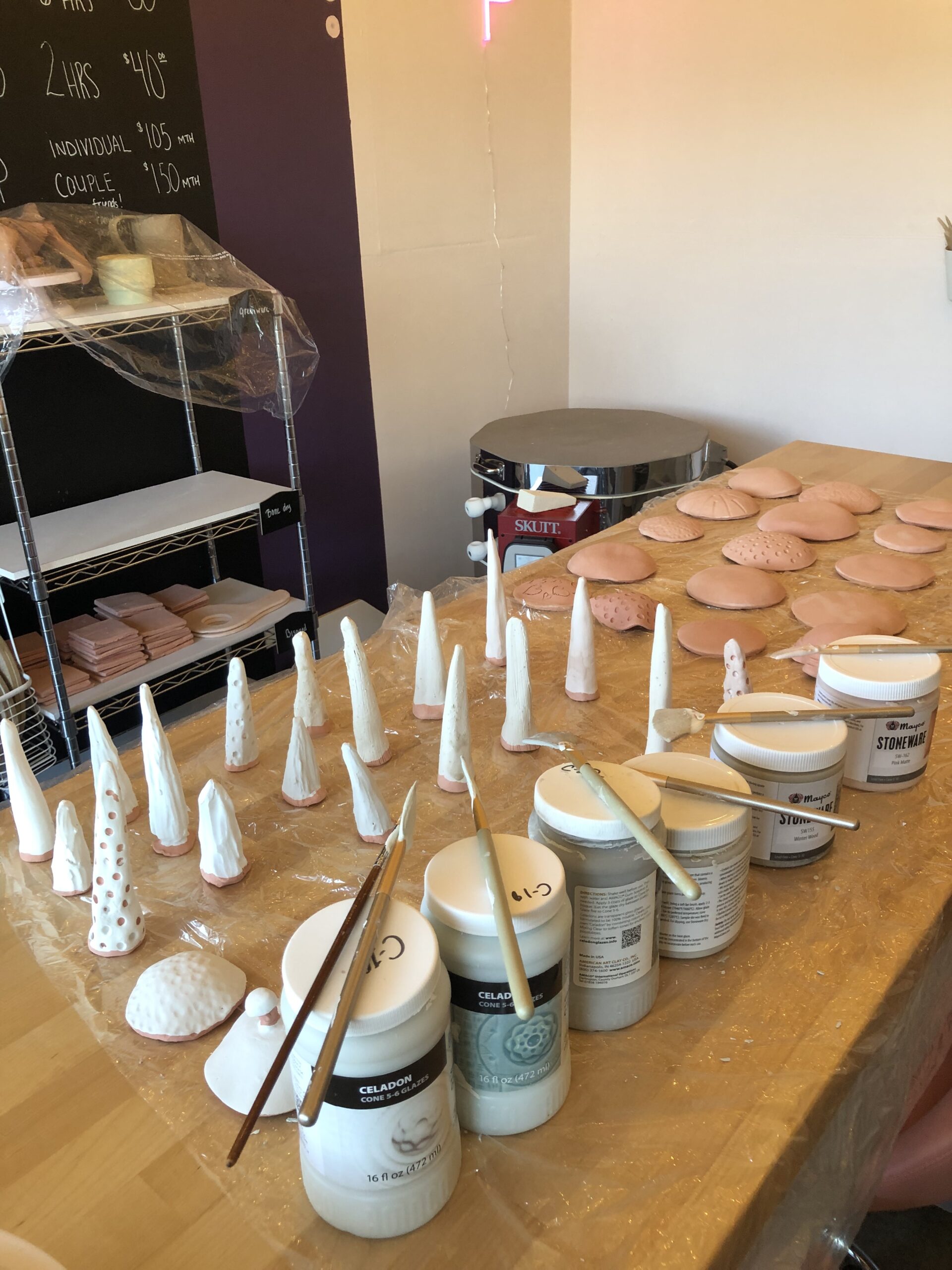
Glaze Layering Made Simple: How to Layer Pottery Glazes for Beautiful Results
•
Layering glazes can feel like guesswork at first, but there is a clear order that makes everything click. When you start with a stable base, build in a responsive middle layer, and finish with a controlled accent, your surfaces gain depth instead of turning muddy. In this post, I walk…
-
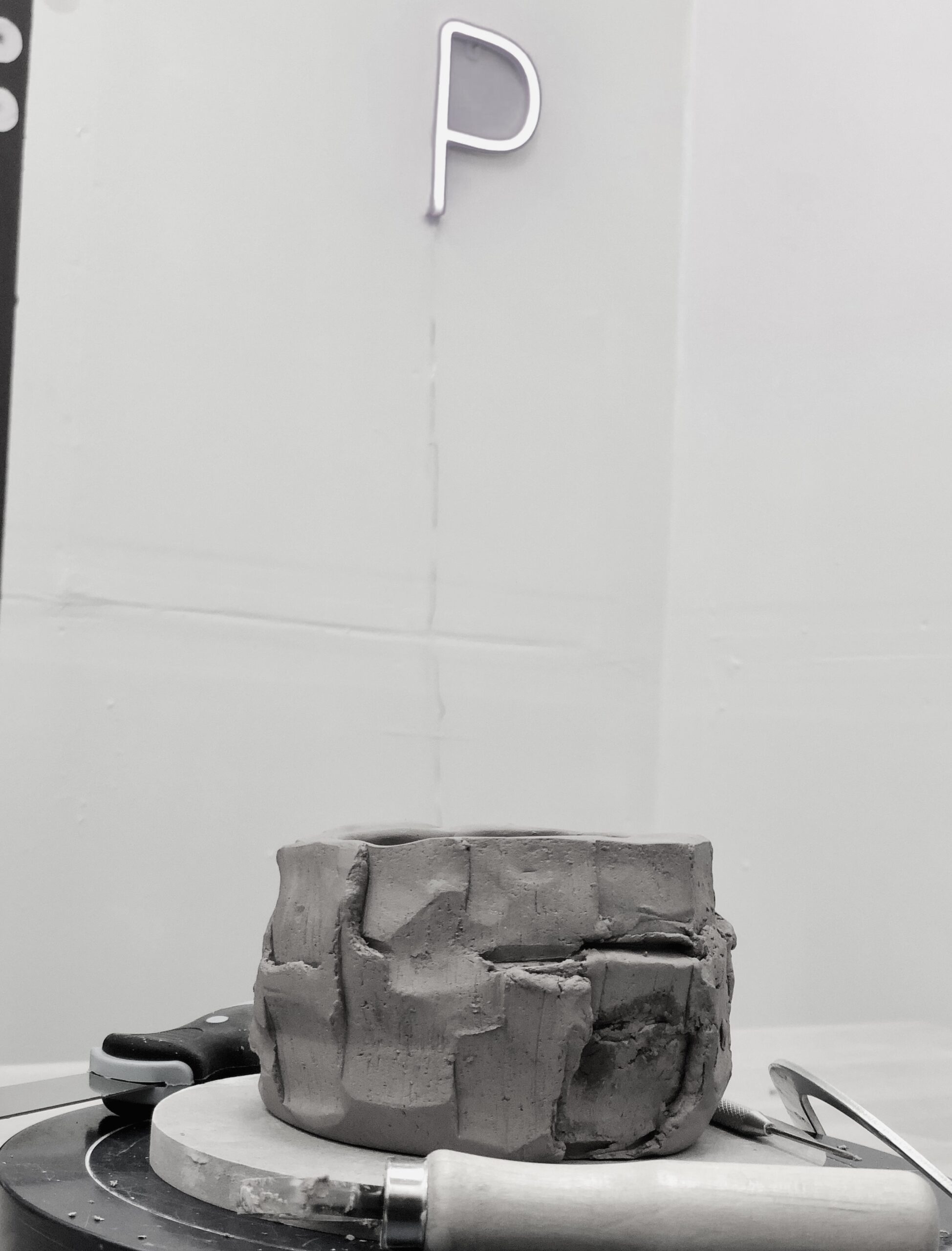
Kurinuki Pottery Technique: How to Carve Expressive, Handbuilt Matcha Bowls and Cups
•
Discover the art of kurinuki, a traditional Japanese pottery technique where forms are carved from solid blocks of clay. Learn the history, tools, and step-by-step carving methods used to create expressive matcha bowls, cups, and tea ware full of texture and character.
-
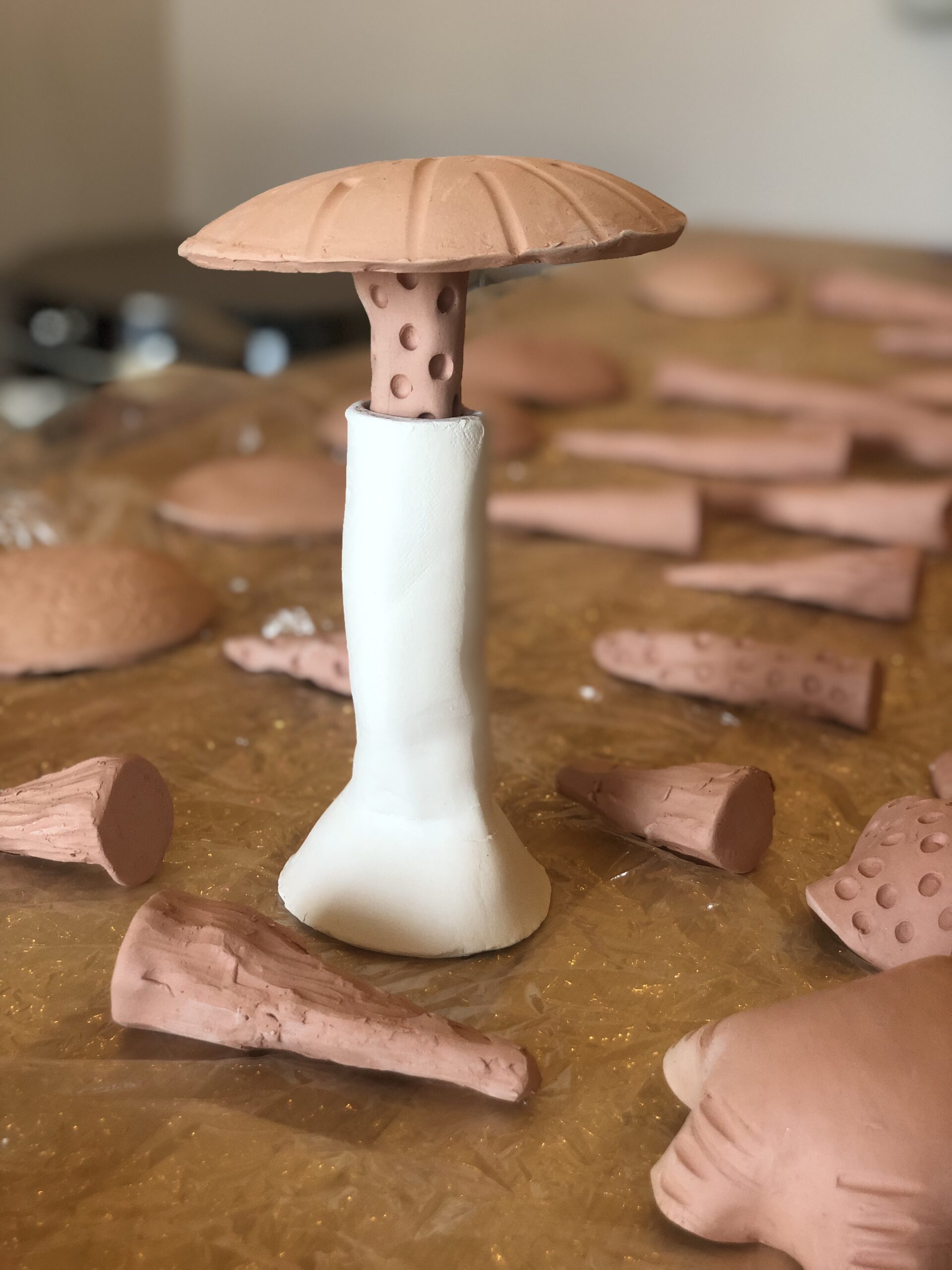
From Coil to Creation: Step-by-Step Pottery Techniques for Beautiful Forms
•
Coil building is one of the most approachable and rewarding handbuilding techniques in pottery. With just your hands and a few simple tools, you can transform rolled ropes of clay into bowls, vessels, and sculptural forms full of character. This guide walks you through the fundamentals of rolling even coils,…
-
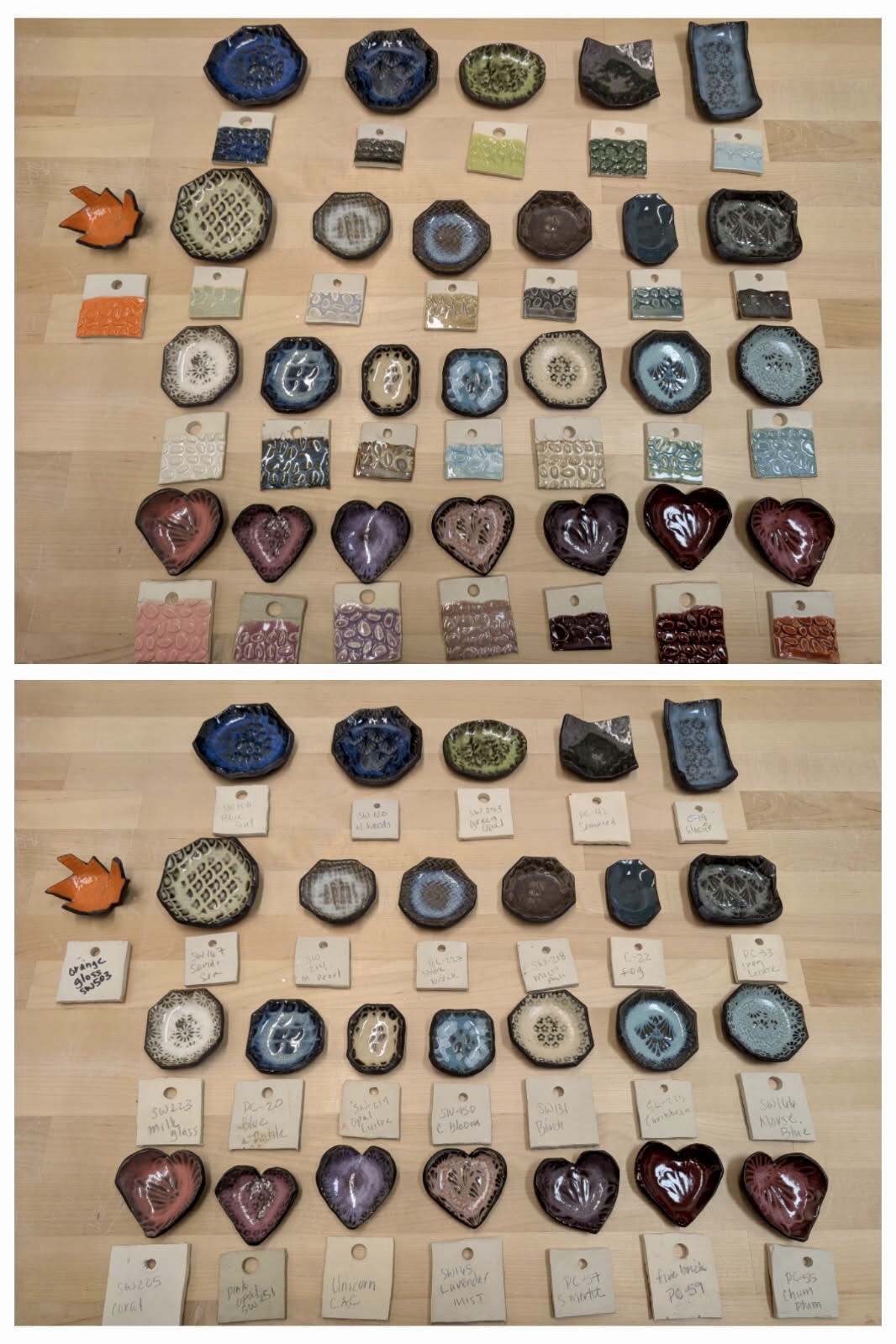
The Ultimate Pottery Guide to Successful Glazing on Dark Clay Bodies
•
Glazing on dark clay can feel unpredictable at first, but it opens the door to some of the richest, most beautiful surfaces in pottery. Unlike white clay, dark bodies deepen colors, highlight texture, and create natural warmth in every piece. The key is choosing glazes that show up, applying them…